
Real Stories: How Tryppa Transformed Empty Homes into Havens (Case studies)
Discover how Tryppa turns empty homes into welcoming havens through trusted pet sitting. Three real-feeling case studies, practical takeaways, and trust tips for owners and sitters.
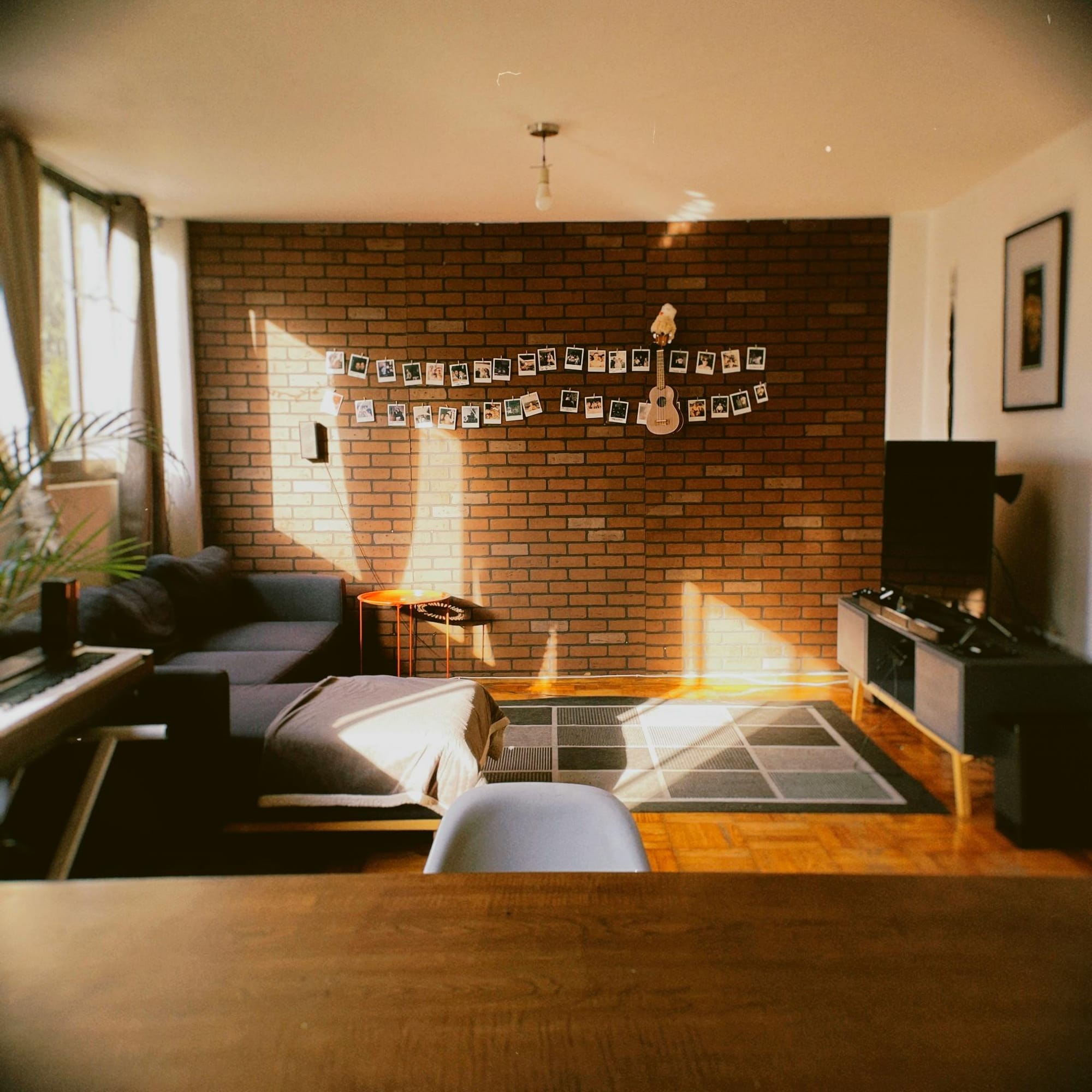
When a home goes quiet, it doesn’t just miss people. It misses routine. It misses small sounds. It misses the comfort of “someone’s here.”
That’s why Tryppa exists.
Tryppa connects pet owners with verified, caring sitters who keep pets safe, homes lived-in, and everyday life gently humming while families travel. The result is more than pet care. It’s a transformation: empty houses become warm, cared-for havens.
Below are three case studies inspired by the moments that make house and pet sitting work: clear communication, a thoughtful welcome guide, and small details that help both sides feel at home.
Case Study 1: The Kraków flat that stayed calm through a winter work trip
Owner: Marta K., Podgórze, Kraków (Poland)
Pets: Lola (senior tabby cat) and Borys (shy rabbit)
Length of sit: 12 days
Sitter: Elif, a remote product designer visiting from İzmir
Marta’s apartment is the kind you remember: warm light, books in every room, and a calm, older cat who demands her dinner with the confidence of royalty.
But Marta had a problem that wasn’t cute.
A last-minute winter trip pulled her away from Kraków. Friends could “drop by,” but Marta knew that a quick check-in isn’t the same as consistency, especially for a senior cat and a rabbit who hates surprises.
So Marta tried Tryppa.
Before confirming the sit, Marta and Elif did a video call that was half logistics, half vibe check. Marta walked through the flat on camera, showed where Lola hides during vacuum time, and explained Borys’s routine like it was a sacred ceremony.
What changed everything was the Welcome Pack. Marta wrote it like she was handing her home to a friend:
- Feeding schedule with exact portions and where treats are stored
- “Lola’s language” (tail flicks, favorite windowsill, what counts as a true emergency)
- Simple house rules (quiet hours, no guests, balcony door always locked)
- Emergency contacts and vet details
- A note that said, “I don’t expect perfection. I want everyone to feel safe.”
Elif arrived to clean counters, a cleared guest drawer, and space in the fridge for their groceries. It sounds small, but it signals respect, and respect lowers stress on day one.
By day three, Marta was getting photo updates of Lola sitting like a small queen on Elif’s laptop. Borys was still cautious, but he was eating normally, which is often the best sign.
When Marta returned, the apartment didn’t feel “untouched.” It felt held. Floors were tidied. Plants were fine. A small note was left by the kettle: “Lola slept on the left side of the bed every night. I think she decided I’m acceptable.”
Tryppa outcome: Marta traveled without “what if” anxiety. Elif got a comfortable base in Kraków. And two pets kept their routine, which was the real win.
Key takeaway: A detailed Welcome Pack reduces stress for everyone and makes excellent care easier, not harder.
Case Study 2: Barcelona beach nights, and a rescue dog who finally stopped guarding the door
Owner: Daniel and Adrià, Poblenou, Barcelona (Spain)
Pet: Nina (rescue mixed-breed dog, high alert around strangers)
Length of sit: 9 days
Sitter: Sofia, originally from Turin, now living in Valencia
Daniel and Adrià had tried traditional dog sitting. Nina tolerated it. Barely.
Nina is the kind of dog who watches the door like it owes her money. She wasn’t aggressive, but she stayed tense, and tension spreads fast in a home.
They chose Tryppa for one reason: they wanted someone who could stay in the apartment and move at Nina’s pace.
The match with Sofia worked because the preparation was honest.
Daniel and Adrià didn’t oversell Nina as “friendly.” They described her reality:
- She needs time before accepting touch
- She prefers one calm person over a rotating cast of helpers
- She sleeps best when someone is in the next room
Sofia arrived early for a handover afternoon, and they did a simple ritual: Nina, a long line, a quiet walk, and no pressure to “bond.” Just presence.
Sofia’s routine was consistent: morning walk, slower midday loop, evening stroll toward the beach when the streets were calmer. Sofia kept doors locked and stuck to a predictable path at night.
By day five, Nina stopped guarding the door.
Not because she became a different dog, but because the home felt steady. The same person. The same sounds. The same rhythm.
On the last day, Sofia sent a photo that Daniel later said made them tear up: Nina sleeping on her back, paws in the air, as if the world had finally proved itself safe.
Tryppa outcome: The owners came back to a dog who looked rested, not drained.
Key takeaway: For sensitive pets, one consistent in-home sitter can be the difference between “surviving” and truly settling.
Case Study 3: A Stockholm townhouse that didn’t feel empty, even with the family away
Owner: Linnea S., Nacka, Stockholm (Sweden)
Pets: Viggo (golden retriever) and Miso (curious Maine Coon)
Length of sit: 18 days
Sitter: James, a teacher on sabbatical from Bristol
Linnea’s home is what people imagine when they think “Nordic calm.” Light wood, cozy blankets, and two animals who treat the house like their personal kingdom.
But Linnea’s worry wasn’t just the pets. It was the home itself.
Eighteen days away in winter meant:
- snow and ice around the entrance
- packages arriving while nobody’s there
- the subtle fear of “What if something goes wrong and the house sits silent?”
With Tryppa, Linnea didn’t just look for someone “good with animals.” She looked for someone who could keep the home feeling lived-in.
James stood out because he asked the questions that experienced sitters ask:
- Where is the main water shutoff?
- What’s normal for the heating system?
- Who should I call if the smoke alarm chirps at 2 a.m.?
Linnea appreciated the professionalism, and she met it with her own:
- A decluttered guest room and fresh linens
- A fridge shelf labeled “Sitter”
- Clear house rules: no parties, no overnight guests, and what parts of the home were private
- A checklist for departure and return, including where to leave keys
During the sit, James sent short updates: a photo of Viggo in the snow, a note that the heating was stable, and that Miso had claimed a new favorite spot above the radiator.
On day eleven, the doorbell camera notified a package delivery. James brought it in immediately and messaged Linnea so she didn’t have to wonder.
When Linnea got home, the best part wasn’t the clean kitchen. It was the feeling that the house had been gently inhabited, not abandoned.
Tryppa outcome: Linnea came back to a home that felt warm and safe, with pets that didn’t lose their routine.
Key takeaway: Trust isn’t built by big promises. It’s built by clear expectations, shared checklists, and calm follow-through.
Why these stories work (and what you can copy today)
Tryppa sits succeed because both sides do a few things consistently.
For pet owners: how to prepare your home so a sitter can succeed
- Write a Welcome Pack. Include pet routines, vet info, emergency contacts, and house rules.
- Make the space welcoming. Clear clutter, leave room in the fridge, and create a comfortable sleeping area.
- Be specific, not intense. Clear instructions reduce confusion. Overly complicated rules increase friction.
- Set expectations early. Talk about quiet hours, guests, smoking, cameras, and what “clean” means in your home.
For sitters: how to protect trust and deliver a 5-star experience
- Confirm responsibilities before the sit. Pet care comes first. Agree on everything upfront.
- Keep the home secure. Lock doors and windows. Ask how the building entry works.
- Respect the home like it’s a friend’s. Clean as you go and leave the place in great shape.
- Communicate with calm consistency. Short daily updates beat long messages that overwhelm.
FAQ: Real questions people ask about house and pet sitting
Is house and pet sitting safe?
It is, when both sides use verification, clear rules, and open communication. Successful sits are built on expectations agreed before the first key handover.
What should be in a pet sitting Welcome Pack?
Feeding and walking routines, vet and emergency contacts, medication details, house rules, Wi‑Fi instructions if you choose to share them, and a quick guide to how your pet behaves in unfamiliar situations.
How do you make a sitter feel comfortable in your home?
A tidy space, a clear guest area, room in the fridge, and a simple “how the house works” note goes a long way.
What makes a great sitter profile?
Clarity, real photos, reliability, and a clear explanation of experience and daily routine. Owners look for someone who is easy to communicate with and consistent.
Final word: Empty homes don’t have to feel empty
A good sit doesn’t just cover the basics. It changes the feeling of a home.
Tryppa helps create that change: from silence to routine, from worry to trust, from empty rooms to a place that still feels loved.